Vintage Pink Coquette Bows: A Guide to the Romantic Seamless Pattern
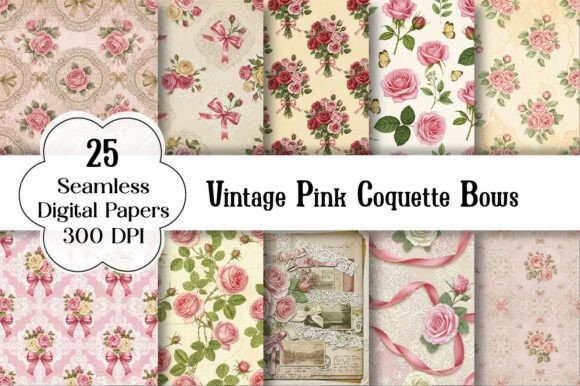
The resurgence of feminine aesthetics in digital design and physical crafts has brought renewed attention to specific visual motifs that evoke nostalgia and softness. Among these, Vintage Pink Coquette Bows stands out as a distinctive seamless pattern characterized by delicate bow illustrations, soft pink tones, and romantic, vintage-inspired details. For designers, crafters, and small business owners, understanding the nuances of this aesthetic is essential for determining its suitability for various projects. This article explores the characteristics of this pattern, its practical applications, and the considerations necessary for effective implementation.
Understanding the Coquette Aesthetic
The term "coquette" refers to a style that blends elegance, sweetness, and a touch of playful flirtation, often rooted in historical fashion references from the Victorian and Rococo periods. The Vintage Pink Coquette Bows pattern encapsulates this vibe through a curated palette of pastel pinks and graceful ribbon elements. Unlike bold or modern graphic designs, this pattern relies on subtlety and repetition to create a sense of continuous, flowing beauty. The seamless nature of the design allows it to be tiled infinitely without visible breaks, making it a versatile asset for surface pattern design.
Those interested in this style are often drawn to its ability to convey a specific mood: one of gentle femininity and nostalgic charm. It appeals to audiences who value traditional notions of grace while engaging with contemporary trends in social media and lifestyle branding. The pattern is not merely decorative; it serves as a visual shorthand for a lifestyle that prioritizes softness, care, and aesthetic cohesion.
Practical Applications and Use Cases
The versatility of Vintage Pink Coquette Bows makes it applicable across a wide spectrum of creative industries. Its primary strength lies in its adaptability to both digital and physical mediums. Below are key areas where this pattern demonstrates strong utility:
- Fashion and Accessories: The pattern is well-suited for textile printing, including cute tote bags, personalized pillows, and scarf designs. Its repetitive nature ensures consistent coverage on fabric surfaces.
- Stationery and Paper Goods: Designers frequently utilize this aesthetic for notebook covers, planner inserts, greeting cards, and invitations. The soft tones provide an elegant backdrop for text, particularly for events like bridal showers and baby showers.
- Digital Products and Branding: For online entrepreneurs, the pattern serves as an effective background for trendy social media posts, website graphics, and digital collage elements. It helps establish a cohesive brand identity for businesses targeting a feminine demographic.
- Home Decor and Crafts: The design translates well to sublimation graphics for tumblers, mugs, and phone cases. Additionally, it is ideal for scrapbook decoupage, mini junk journals, and printable craft paper, allowing hobbyists to add a personalized touch to DIY projects.
- Packaging and Labels: Small business owners often apply this pattern to product labels for candles, soaps, and other artisanal goods, enhancing the perceived value and aesthetic appeal of the packaging.
Evaluating the Benefits
One of the primary advantages of using Vintage Pink Coquette Bows is its immediate recognizability within current trend cycles. The coquette aesthetic has gained significant traction on platforms like TikTok and Pinterest, meaning that products featuring this design may attract organic interest from consumers actively seeking this style. Furthermore, the seamless structure of the pattern reduces the workload for designers, as it eliminates the need to manually arrange individual elements for large-scale prints.
Another benefit is the emotional resonance of the color palette. Soft pinks are psychologically associated with calmness, warmth, and nurturing. This makes the pattern particularly effective for products related to self-care, weddings, and childhood celebrations. The vintage inspiration adds a layer of perceived quality and timelessness, distinguishing it from fleeting, ultra-modern trends.
Considerations and Tradeoffs
While the pattern offers numerous benefits, it is not universally appropriate. Designers must consider the target audience and the context of the project. The highly feminine and specific nature of the coquette aesthetic may alienate demographics preferring minimalist, industrial, or gender-neutral designs. Therefore, it is crucial to align the use of Vintage Pink Coquette Bows with brand values that explicitly embrace romance and traditional femininity.
Additionally, the legibility of text over such patterns requires careful attention. The intricate details of bows and ribbons can compete with typography if not managed correctly. Designers should consider using solid overlays, reducing the opacity of the pattern, or selecting high-contrast font colors to ensure readability. For large-format prints like wall art or posters, the scale of the bows must be adjusted to prevent the design from appearing cluttered or overwhelming from a distance.
When to Choose Alternatives
There are scenarios where alternative designs may be more effective. If the goal is to convey professionalism, corporate authority, or technological innovation, the soft, romantic qualities of this pattern may undermine the intended message. In such cases, geometric patterns, neutral tones, or bold, sans-serif typography might be more appropriate.
Furthermore, if the project requires high visibility in low-light environments or needs to stand out against a busy background, the pastel tones of Vintage Pink Coquette Bows may lack sufficient contrast. Designers should evaluate the environmental context of the final product. For example, outdoor signage or safety-related materials typically require high-visibility colors that differ significantly from the subtle palette of this pattern.
Decision-Making Insights for Creators
When deciding whether to incorporate Vintage Pink Coquette Bows into a project, creators should ask themselves several key questions. First, does the target audience resonate with vintage and romantic aesthetics? Second, will the pattern enhance or distract from the primary content or product? Third, is the medium suitable for detailed, repetitive designs?
For small business owners, testing the pattern on a small batch of products, such as stickers or printable fabric, can provide valuable feedback before committing to larger production runs. Digital designers might create mockups to visualize how the pattern interacts with other brand elements, ensuring a harmonious overall look.
Ultimately, the success of using this pattern depends on intentional application. By understanding its strengths and limitations, creators can leverage Vintage Pink Coquette Bows to produce visually appealing, emotionally resonant designs that meet the specific needs of their audience. Whether used for bridal shower invitations, sublimation graphics, or digital backgrounds, the pattern offers a refined tool for those seeking to capture the essence of the coquette aesthetic.